 Asian Junkie Asian pop. Without discretion.
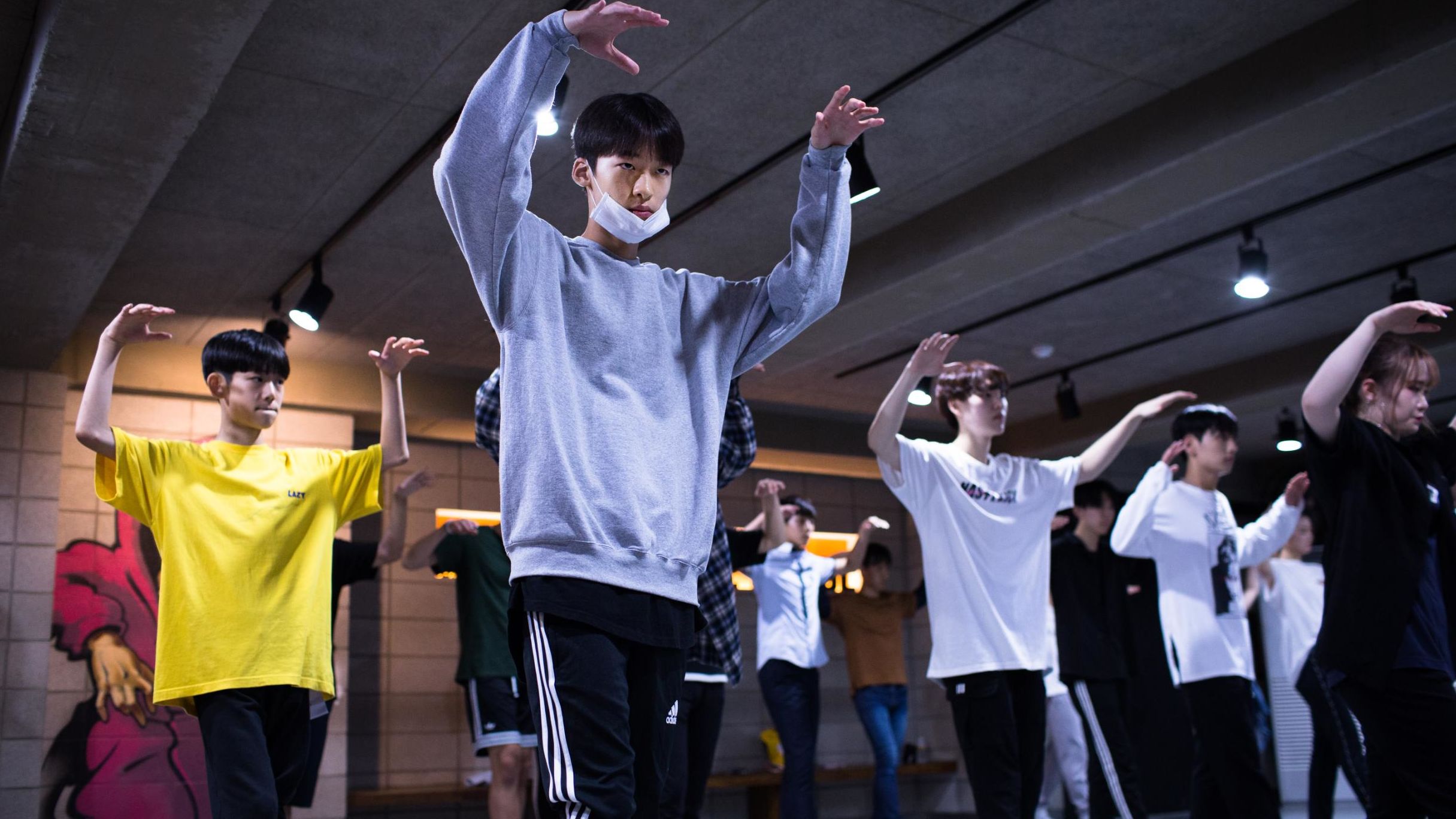
With idol contract disputes taking up a lot of space in 2025’s biggest K-pop stories — and really, they’ve always been in dispute since I’ve been into K-pop — South Korea’s Ministry Of Culture Sports & Tourism (MCST) introduced revised standard contracts for singers and actors that will take effect in 2026. Old news, but something I wanted to cover given its constant relevance.
The changes are ostensibly aimed at protecting trainees, but realistically it’s probably about protecting themselves from actually significant political and/or legal intervention, while doing a bit of PR for the industry at large in the face of all the negative headlines that have been generated this year.
The revisions can be divided into three broader sections.
Clarity On Payment Deadlines & Termination Penalties
Under the updated contracts, agencies and trainees will be required to specify clear deadlines for the payment of damages or penalties in cases of contract termination or cancellation.
The existing standard contract had referred only to payment within a “reasonable period,” a vague provision that has often led to conflicts. The new language mandates that payments be made within a mutually agreed time frame, such as a set number of days from the date the cause arises.
Broader Mental Health Support
The revised contracts also broaden provisions related to mental health support. Agencies will be encouraged to provide counseling or treatment not only for “severe depressive symptoms,” as previously stated, but for depressive symptoms more generally, reflecting growing concern over the psychological pressures faced by trainees.
Increased Protection For Minors
Protections for minors are further expanded through changes to the standard supplementary agreement for youth entertainers. The revisions explicitly ban agencies from pressuring trainees to skip school or drop out, strengthening safeguards for their right to education. Prohibited conduct is also widened to include verbal abuse, coercion, sexual harassment and sexual violence, in addition to physical assault and threats.
The new rules prohibit agencies from forcing minors to participate in filming or performances when there are health or safety risks. They also require production companies and event organizers to designate a youth protection officer and to notify both the minor and their guardian of that appointment.
An official commented on the changes:
A ministry official stated, “As the standard contract is one of the most widely referenced guideline documents in the popular culture industry, it must be continuously updated to reflect changes in laws and industry conditions.” The official added, “These revisions are expected to systematically protect the basic rights of trainees and juvenile artists, while also helping reduce potential disputes arising from contractual relationships with agencies.”
All that sounds like progress, and it probably does represent a marginal improvement for trainees by getting all this in writing, even if it seems almost comical that it needs to be said to not abuse, sexually assault, and put in danger the lives in children.
Of course, the cynical view is that this is essentially political busywork that gives off the appearance of significant changes, but still leaves the terms of everything essentially up to the companies due the nature of the power imbalance between the two entities negotiating. Furthermore, all of it only really matters if they’re enforced fairly when challenged legally by said trainees (and idols). Remaining skeptical that’ll actually be the case isn’t so much being cynical as much as it is just knowing your history.
Realistically, what trainees (and idols) need for true leverage and thus protection is a union, but those are hard enough to drum up support for among working-class adults. Trying to get trainees (and idols) who come from increasingly disparate backgrounds to unite and collectively bargain for a common good when their average career length is probably like a year seems like a next to impossible task, and that’s likely how the system is designed to work. One can still dream, though, I suppose.